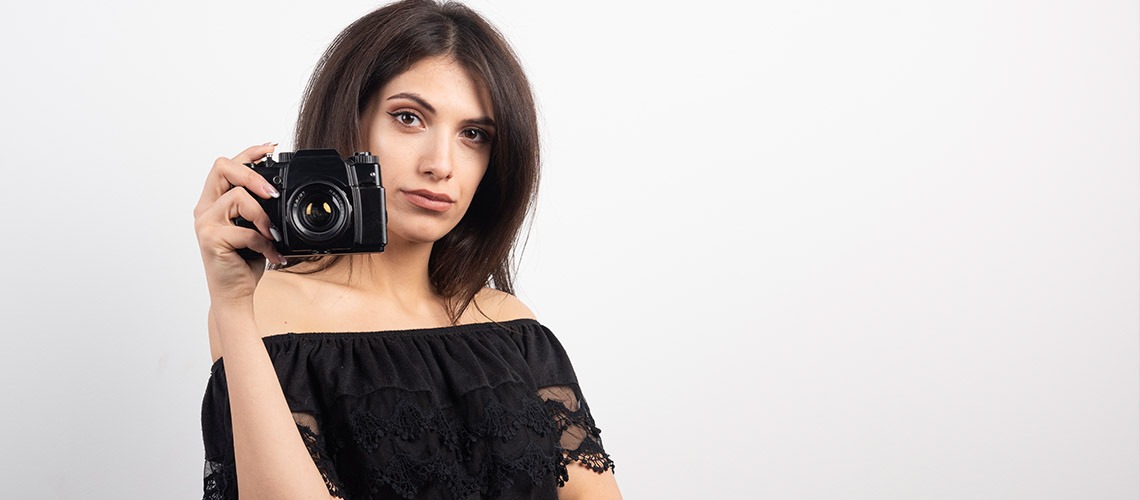
Creating professional model portfolios is a crucial step for aspiring models to showcase their versatility, skills, and unique look to potential clients, agencies, and casting directors. A well-crafted portfolio serves as a visual resume that highlights a model’s strengths and potential. Here’s an in-depth look at what goes into creating a professional model portfolio:

Purpose of a Model Portfolio

  1. Showcase Versatility: Demonstrate the model’s ability to work in various styles and settings, from high fashion to commercial looks.
  2. Highlight Strengths: Emphasize the model’s unique features, poses, and expressions.
  3. Professional Presentation: Provide a polished and professional collection of images for agencies and clients to review.

Components of a Model Portfolio

  1. Headshots:

    • Classic Headshots: Simple, clean headshots that show the model’s natural look, typically with minimal makeup and a neutral expression.
    • Expression Shots: Headshots that capture a range of expressions, from serious to smiling, to show emotional versatility.
  2. Full-Length Shots:

    • Body Proportions: Full-length images that highlight the model’s body proportions and overall figure.
    • Different Poses: Showcasing a variety of poses to demonstrate flexibility and creativity.
  3. Fashion Shots:

    • Editorial Style: High-fashion images that display the model’s ability to work in a fashion context, often featuring designer clothing and artistic concepts.
    • Commercial Style: More relatable and marketable looks that would appeal to commercial clients for advertising campaigns.
  4. Lifestyle Shots:

    • Natural Settings: Photos that depict the model in everyday scenarios, showcasing a more relatable and approachable side.
    • Dynamic Poses: Images that capture movement and candid moments.
  5. Beauty Shots:

    • Close-Up Details: Detailed shots focusing on the model’s face, skin, and makeup to highlight features and beauty.
    • Makeup Variations: Showing different makeup styles, from natural to glam, to demonstrate versatility.
  6. Themed/Conceptual Shots:

    • Creative Concepts: Photos that explore unique themes, artistic concepts, or avant-garde styles to show the model’s ability to adapt to creative shoots.
    • Character and Storytelling: Images that tell a story or depict a character, showcasing acting skills and depth.

Planning a Model Portfolio Shoot

  1. Choosing a Photographer:

    • Professional Portfolio: Select a photographer experienced in fashion and commercial photography, with a strong portfolio of previous model shoots.
    • Style Compatibility: Ensure the photographer’s style aligns with the model’s vision and the type of work they aim to attract.
  2. Styling and Wardrobe:

    • Variety of Outfits: Plan a range of outfits that reflect different looks and styles, including casual, formal, swimwear, and lingerie if appropriate.
    • Professional Styling: Consider hiring a professional stylist or makeup artist to ensure a polished look.